Creating Outdoor Improvements That Increase Property Value
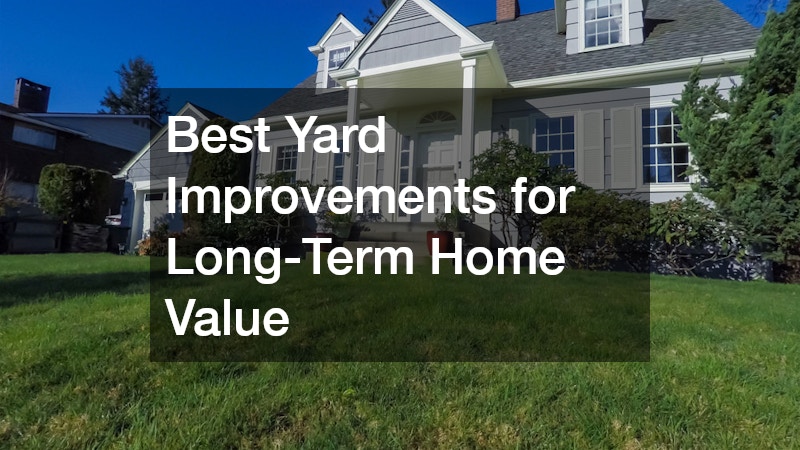
Improving a yard is one of the most effective ways to increase the long-term value of a home. A well-maintained outdoor space creates a strong first impression, improves functionality, and gives homeowners more usable living space. In many cases, buyers begin forming opinions about a property before they even walk through the front door. A clean, organized, and thoughtfully designed yard can immediately make a home feel more inviting and better cared for.
The best outdoor upgrades combine beauty with practicality. Homeowners who focus on durable improvements, healthy plants, efficient watering systems, and manageable maintenance often see the greatest return over time. Rather than chasing trends, it is usually smarter to invest in improvements that make the yard easier to enjoy and simpler to maintain season after season.
From tree care and irrigation upgrades to planting strategies and outdoor gathering spaces, there are many ways to create a yard that adds value for years to come. The following ideas can help homeowners make smart decisions that improve curb appeal while supporting the long-term health and function of the property.
Build a Plan Before Starting Major Outdoor Projects
Before adding new plants, walkways, or outdoor features, homeowners should carefully evaluate the existing landscape. Jumping into projects without a clear direction often leads to wasted money, overcrowded planting beds, or outdoor spaces that feel disconnected from the home itself.
A strong landscape design plan begins by identifying how the yard is currently used and where improvements are most needed. Some properties suffer from drainage problems, bare lawn patches, overgrown shrubs, or awkward traffic flow. Others may simply lack visual structure or usable gathering areas.
One of the most effective ways to organize a yard is by dividing it into practical zones. Homeowners can create separate spaces for entertaining, gardening, relaxing, or children’s play areas. This approach helps the property feel larger and more functional while improving overall appearance.
It is also important to consider sunlight patterns, mature plant size, and maintenance requirements before making permanent changes. Placing shade-loving plants in sunny locations or planting large shrubs too close to walkways can lead to costly problems later.
A cohesive plan helps outdoor improvements feel intentional instead of random. Buyers often notice when a yard has balance, structure, and consistency. Even simple upgrades tend to make a stronger impact when they are part of a thoughtful overall strategy.
Improve Watering Efficiency to Keep the Yard Healthy
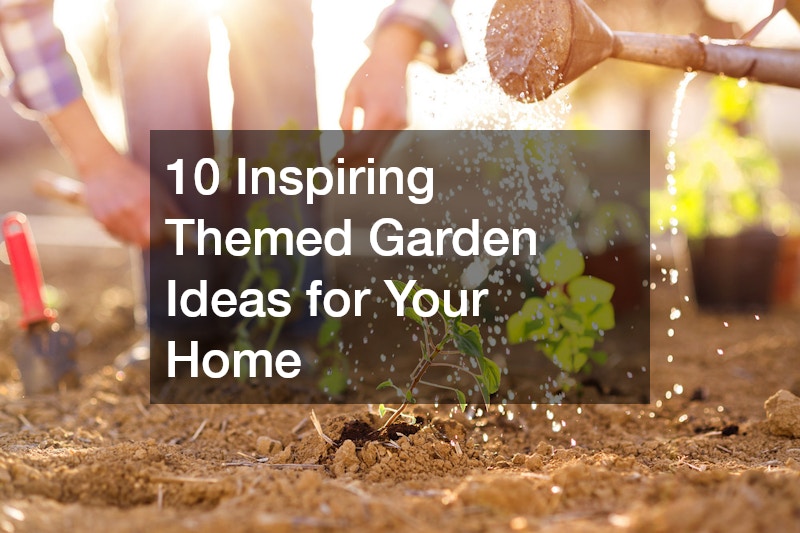
Healthy grass and thriving plants can dramatically improve a property’s appearance, but inconsistent watering can quickly damage even the best-looking yard. Upgrading sprinkler systems is one of the smartest ways to support long-term curb appeal while reducing wasted water and unnecessary maintenance.
Older irrigation setups often water sidewalks instead of grass, leave dry patches throughout the lawn, or oversaturate planting beds. These issues can lead to unhealthy plants, fungal growth, soil erosion, and higher utility bills.
Homeowners should regularly inspect irrigation zones to make sure water is distributed evenly. Sprinkler heads should be adjusted whenever landscaping changes are made, especially after adding garden beds, pathways, or trees. A simple alignment correction can prevent thousands of gallons of wasted water each year.
Smart controllers can also improve efficiency by adjusting watering schedules based on rainfall, temperature, and seasonal conditions. These systems help reduce overwatering while keeping lawns and plants healthier during dry periods.
Grouping plants with similar moisture needs together is another effective strategy. Flowers, shrubs, and turfgrass often require different watering schedules. Separating them into designated irrigation zones allows for better water management and healthier growth.
A properly maintained watering system protects the yard investment while helping the property look vibrant year-round.
Refresh Planting Beds for a Cleaner Appearance
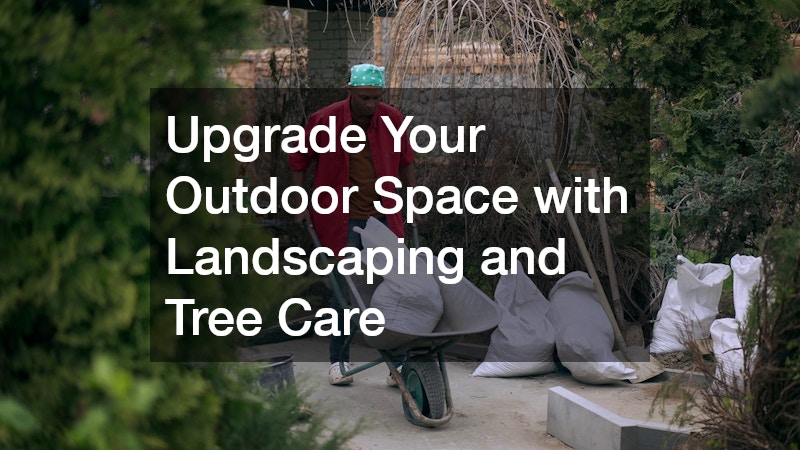
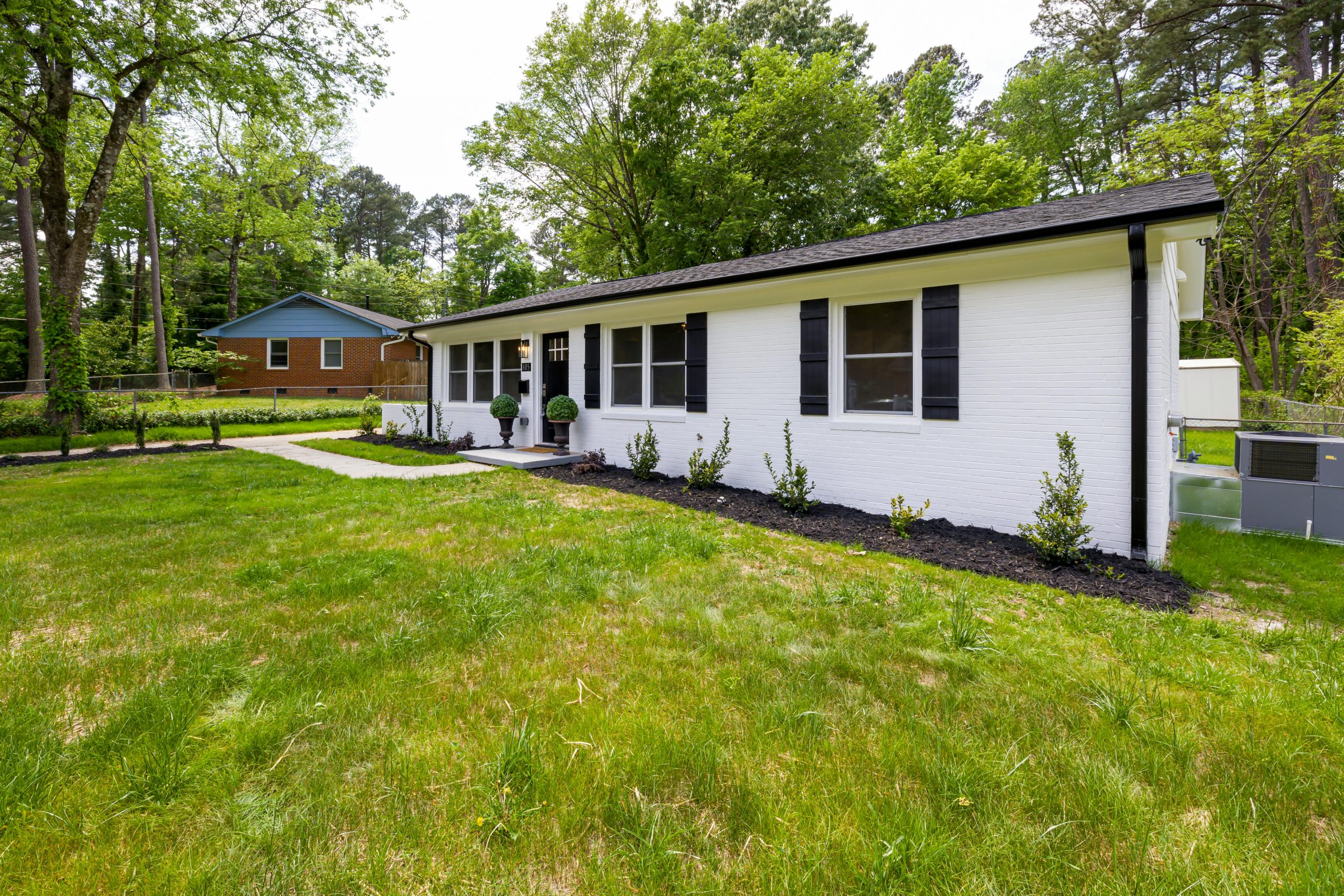
Clean, organized planting beds can instantly improve curb appeal and make the entire property feel more polished. One of the simplest ways to achieve this look is by applying fresh bulk mulch throughout flower beds, around trees, and along borders.
Mulch provides both visual and practical benefits. It helps retain soil moisture, suppresses weeds, regulates soil temperature, and protects plant roots from extreme weather. Over time, it also improves soil quality as organic material breaks down naturally.
For larger properties or multiple planting areas, buying bulk mulch is often more cost-effective than purchasing small bags individually. Consistent mulch color and texture also create a more professional appearance across the entire yard.
Homeowners should avoid applying mulch too deeply. A layer that is roughly two to three inches thick is usually enough to retain moisture and discourage weeds without suffocating plant roots. It is also important to keep mulch several inches away from tree trunks and plant stems to prevent rot and pest problems.
Adding clean edging around planting beds can further enhance the finished appearance. Crisp borders between lawn areas and flower beds create visual definition and make routine maintenance easier.
Refreshing mulch once or twice a year is a relatively inexpensive upgrade that can dramatically improve how well-maintained a property appears.
Select Plants That Stay Attractive With Less Maintenance
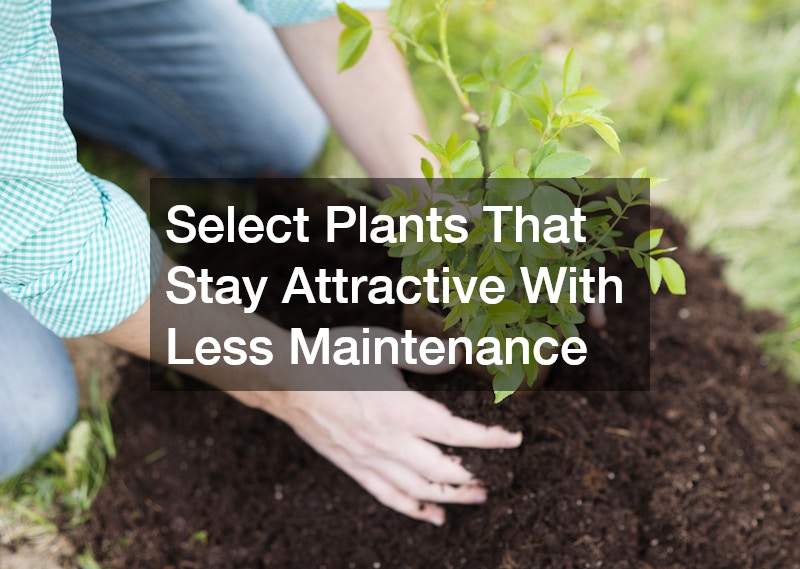
The plants chosen for a yard can significantly affect both appearance and long-term upkeep. Homeowners who prioritize low-maintenance varieties often create outdoor spaces that remain healthier and more attractive over time.
Visiting a reputable garden store is a great way to compare plant types, soil products, fertilizers, and maintenance tools. Staff members can often recommend plants suited to local weather conditions and explain which varieties require the least maintenance.
A quality plant nursery can also help homeowners select trees, shrubs, flowers, and groundcovers that are appropriate for the region’s climate and soil conditions. Choosing plants that naturally thrive in the local environment usually results in healthier growth and fewer replacement costs.
Native and drought-tolerant plants are especially valuable because they often require less watering, pruning, and chemical treatment. These plants are typically more resilient during seasonal temperature swings and periods of limited rainfall.
It is also important to think about mature plant size before planting. Overcrowded landscaping can make a yard feel messy and difficult to maintain. Giving plants enough space to grow naturally reduces future pruning needs and helps preserve clean sightlines throughout the property.
Combining evergreen plants with seasonal flowering varieties can help maintain year-round interest without overwhelming the yard with constant upkeep.
Add Trees That Improve Shade and Structure
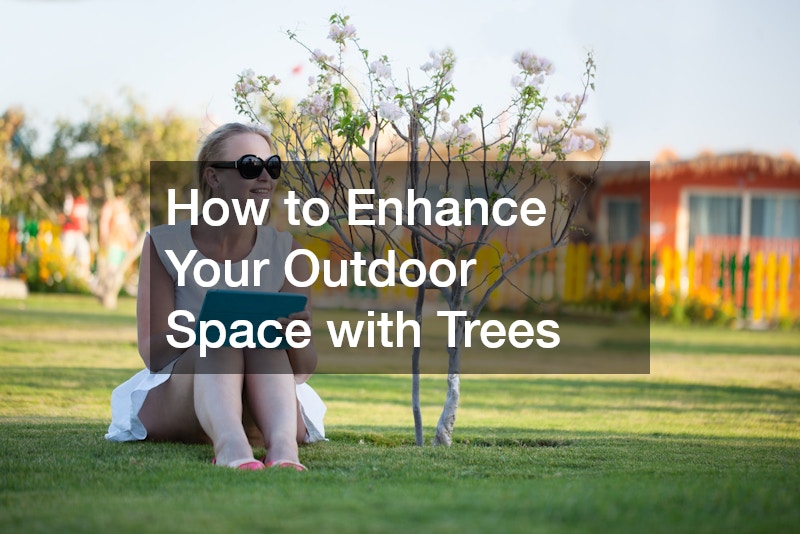
Trees are among the most valuable long-term investments homeowners can make for their property. Healthy, well-placed trees provide shade, improve privacy, soften harsh architectural lines, and create a more established appearance.
When purchasing new trees, it is best to work with a reputable tree nursery that offers healthy, regionally appropriate species. Young trees with strong root systems often adapt more successfully than oversized trees that experience transplant stress.
Choosing the right location is critical. Trees planted too close to foundations, sidewalks, driveways, or roofs can eventually create structural problems and expensive repairs. Homeowners should research mature canopy size and root spread before planting.
Shade trees can also help improve energy efficiency by reducing heat exposure around windows, patios, and outdoor seating areas. Strategic placement can make outdoor spaces significantly more comfortable during warmer months.
Proper planting depth is another important factor. Trees planted too deeply may struggle to establish healthy root systems. Consistent watering during the first few years is essential for helping young trees develop strong growth.
In addition to improving appearance, mature trees often make homes feel more welcoming and increase the perceived value of the entire property.
Protect Mature Trees Before Problems Develop
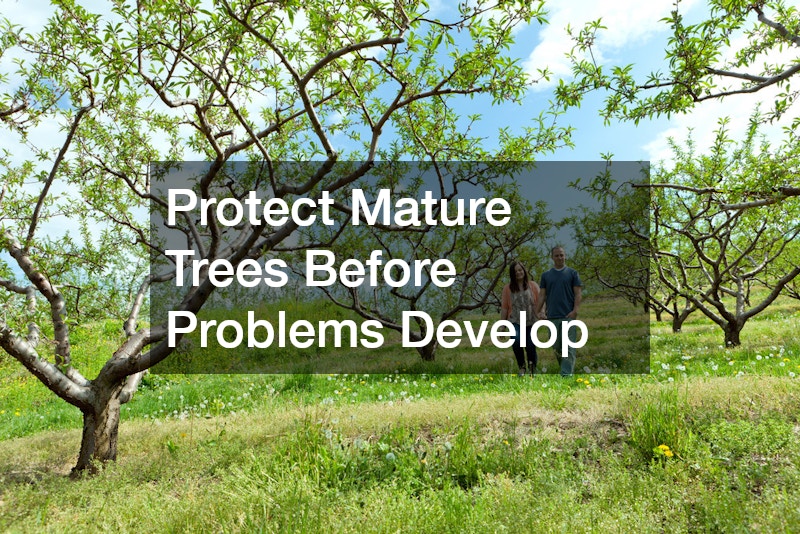
Existing trees can either enhance property value or become serious liabilities if neglected. Regular inspections from an experienced arborist can help homeowners identify potential issues before they become dangerous or expensive.
Large trees may develop hidden problems such as internal decay, root damage, storm stress, or disease. An arborist can evaluate overall tree health and recommend appropriate care, pruning, or removal when necessary.
Working with certified arborists is especially beneficial because they have specialized training in tree biology, risk assessment, and proper maintenance practices. Their expertise can help homeowners avoid improper pruning methods that weaken trees or increase safety risks.
Dead branches should be removed promptly, particularly if they hang over roofs, driveways, or walkways. Homeowners should also watch for warning signs such as splitting trunks, fungal growth, hollow sections, or sudden leaf loss.
Construction projects and landscaping work can unintentionally damage tree roots if precautions are not taken. Soil compaction, trenching, and grade changes often stress mature trees and shorten their lifespan.
Preventive tree care is usually far less expensive than emergency removals or property damage repairs. Healthy mature trees remain one of the strongest contributors to long-term curb appeal.
Create Outdoor Spaces That Feel Functional
Today’s homeowners increasingly value outdoor areas that feel like natural extensions of the home. Comfortable and functional outdoor living spaces can make properties feel larger while improving overall enjoyment of the yard.
A professional landscaping service can help homeowners develop patios, walkways, seating areas, retaining walls, and planting layouts that improve both usability and appearance. Even relatively simple upgrades can make outdoor spaces feel more organized and inviting.
Clear walkways are especially important because they guide movement throughout the property and create a stronger sense of structure. Cracked pavers, uneven surfaces, or poorly defined paths can make a yard appear neglected.
Outdoor lighting can further improve functionality by increasing visibility and creating a welcoming atmosphere during the evening hours. Path lights, patio lighting, and accent lighting around focal points help extend the usability of the space after sunset.
Privacy is another major factor in outdoor comfort. Strategic shrub placement, decorative fencing, or layered plantings can help create separation from neighboring properties without making the yard feel closed in.
The most successful outdoor living spaces balance aesthetics with practicality. Buyers are often drawn to yards that look enjoyable without appearing overly customized or difficult to maintain.
Address Drainage Problems Before They Cause Damage
Drainage problems can quietly reduce property value and lead to costly structural issues over time. Standing water, muddy areas, and soil erosion not only damage landscaping but may also threaten foundations, patios, and walkways.
One of the first warning signs of poor drainage is water pooling near the home after rainfall. Homeowners should also pay attention to washed-out planting beds, soggy lawn areas, basement moisture, or mulch displacement.
Improving grading is often one of the most effective solutions. The ground should slope gently away from the home so water naturally drains outward instead of collecting near the foundation.
Extending downspouts farther from the house can also reduce water accumulation. In more severe cases, French drains, dry creek beds, or underground drainage systems may be necessary to redirect excess moisture.
On sloped properties, retaining walls and erosion-control plantings can help stabilize soil while protecting landscaping investments. Groundcovers with strong root systems are especially useful for reducing runoff on hillsides.
While drainage improvements may not be visually dramatic, they play a critical role in preserving both the appearance and structural integrity of the property.
Use Outdoor Lighting to Enhance Safety and Appearance
Outdoor lighting is one of the most overlooked upgrades for improving both curb appeal and functionality. Well-placed lighting can make a property feel safer, highlight attractive features, and create a warm atmosphere after dark.
Pathway lighting improves visibility along walkways, driveways, and entrances. This not only helps guests navigate safely but also adds depth and structure to the yard during nighttime hours.
Accent lighting can be used to showcase trees, architectural features, stonework, or focal planting areas. Soft uplighting often creates a more sophisticated appearance than overly bright floodlights.
Motion-activated lighting near garages, gates, and side entrances can also improve security while reducing unnecessary energy usage. Homeowners should aim for balanced lighting that improves visibility without overwhelming the property with glare.
Warm lighting temperatures generally create a more inviting appearance than harsh blue-toned lights. Spacing fixtures evenly and avoiding excessive brightness helps maintain a clean, elegant look.
Lighting upgrades are relatively affordable compared to many outdoor renovations, yet they can dramatically improve how a home looks during evening hours.
Choose Improvements That Remain Valuable Over Time
The most effective yard upgrades are the ones that continue adding value year after year. Durable materials, practical layouts, healthy plants, and manageable maintenance routines tend to provide the strongest long-term return.
Homeowners should avoid overcrowding the yard with trendy features that may quickly become outdated or difficult to maintain. Simplicity often ages better than overly complex designs.
Selecting durable hardscape materials for patios, edging, and walkways can reduce repair costs and improve longevity. Organized planting beds, reliable irrigation, and healthy trees also contribute to a cleaner, more established appearance.
Routine maintenance is equally important. Seasonal pruning, mulch refreshing, irrigation checks, and lawn care help preserve the investment and prevent small issues from becoming expensive repairs.
Ultimately, the best outdoor improvements are the ones that make the property easier to enjoy while supporting long-term beauty and function. A thoughtfully maintained yard not only improves daily living but also strengthens the overall appeal and value of the home for years to come.