Trees add beauty, shade, and value to your property—but they can also become serious liabilities when their health declines or their structure becomes unstable. Many homeowners don’t realize there’s a problem until it’s too late, often after a storm causes damage or a large branch suddenly falls. Knowing how to recognize early warning signs can help you avoid costly repairs, prevent injuries, and maintain a safe outdoor environment.
Notice Visible Tree Damage After Storms
Severe weather is one of the leading causes of sudden tree issues, especially in areas that experience high winds, heavy rain, or snow. Even a seemingly healthy tree can suffer internal damage during a storm that isn’t immediately visible. Cracks in the trunk, broken limbs, and stripped bark are all indicators that the tree’s structure may be compromised. Homeowners often underestimate how much stress storms place on trees.
After a storm, take time to carefully inspect your trees for:
- Large cracks running along the trunk
- Splitting or broken limbs hanging in the canopy
- Branches scattered across your yard
- Bark that has been stripped away
- Trees that appear partially uprooted
Even if the tree is still standing, these signs often indicate internal damage that can worsen over time.
Actionable tips:
- Inspect your property within 24–48 hours after a storm
- Use binoculars to check high branches safely from the ground
- Avoid walking under damaged limbs
If more than 25–30% of the tree is compromised, tree removal is often the safest option. Smaller issues may be addressed with careful tree cutting. Taking action early helps prevent emergencies and protects both your property and your family.
Watch for Leaning Trees That Worsen Over Time
A tree that leans slightly may not always be a cause for concern, as some species naturally grow at an angle. However, a tree that suddenly begins to lean or continues to tilt further over time can signal serious structural problems. This often indicates issues below the surface, such as root failure or shifting soil conditions. Because these changes can happen gradually, it’s important to stay observant.
Pay attention to:
- Trees that were previously straight but now tilt noticeably
- Soil lifting or cracking around the base
- Exposed roots on one side
- A lean that worsens after heavy rain or wind
A shifting tree often indicates root instability, which can lead to sudden collapse without much warning.
Actionable tips:
- Take photos every few weeks to monitor changes
- Measure the angle of the lean using a level or app
- Check for soft or waterlogged soil around the base
If you notice progressive leaning, it’s best to consult an arborist or a trusted tree service for a professional evaluation. Addressing the issue early can help you avoid costly damage.
Check for Dead or Falling Branches Regularly
Dead branches are one of the most obvious signs that a tree may be in decline, but they are often ignored until they become a hazard. These branches can fall without warning, especially during windy conditions or storms, creating risks for people, pets, and nearby structures. In many cases, dead limbs are a symptom of a larger problem affecting the entire tree. Regular inspections can help you catch these issues.
Signs of dead or dying branches include:
- Brittle wood that snaps easily
- Lack of leaves during the growing season
- Peeling or missing bark
- Branches that appear gray or dry
While removing a few dead limbs can improve safety, widespread dieback is often a sign that the tree is no longer healthy.
Actionable tips:
- Perform seasonal inspections, especially in spring and fall
- Use a stick to gently test smaller branches from the ground
- Clear away fallen debris promptly
If a large portion of the canopy is affected, it may be time to call a professional tree remover to assess the situation. In some cases, repeated tree cutting is not enough to restore the tree.
Identify Signs of Disease or Pest Infestation
Tree diseases and pest infestations can spread quickly and cause significant damage before you even realize there’s a problem. These issues often begin subtly, with small changes in leaf color or bark texture, but can progress rapidly if left untreated. Because many pests and diseases attack the internal structure of a tree, visible symptoms may indicate advanced stages of decline. Staying vigilant and knowing what to look for can make a big difference.
Common warning signs include:
- Discolored or spotted leaves
- Fungal growth on the trunk or roots
- Holes in the bark from insects
- Sawdust-like material near the base
- Unusual leaf drop outside of seasonal changes
These symptoms can weaken the tree and make it more susceptible to structural failure.
Actionable tips:
- Inspect leaves, bark, and roots on a regular basis
- Look for patterns across multiple trees
- Remove and dispose of infected debris properly
Consulting an arborist or reaching out to local tree services can help you determine whether treatment is possible. If the damage is too severe, removing the tree may be necessary.
Look for Root Damage or Soil Disturbance
The root system is the foundation of a tree’s health, and any damage to it can have serious consequences. While the canopy may appear healthy, problems underground can lead to instability and eventual failure. Construction projects, landscaping changes, and even heavy foot traffic can disrupt the soil and harm roots. Because these issues are often hidden, they can go unnoticed.
Common causes of root damage include:
- Construction or excavation near the tree
- Soil compaction from vehicles or equipment
- Erosion or flooding
- Changes in soil level or grading
Warning signs include leaning, thinning foliage, and cracks in the soil around the base.
Actionable tips:
- Avoid digging near established trees whenever possible
- Use mulch to protect the root zone
- Monitor trees after any major landscaping work
If root systems are severely compromised, tree removal may be the safest solution. Working with a knowledgeable landscaping contractor can help you prevent future issues.
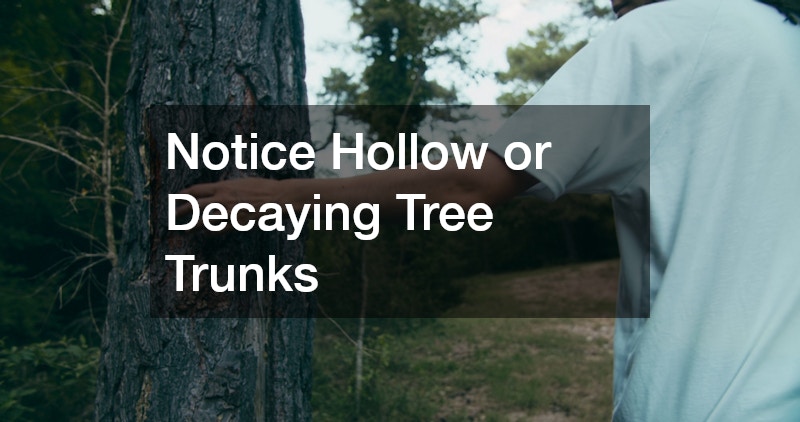
Notice Hollow or Decaying Tree Trunks
A tree can appear strong on the outside while being structurally weak on the inside. Hollow trunks and internal decay are serious concerns because they reduce the tree’s ability to support its own weight. Over time, this can lead to sudden breakage, especially during storms or high winds. Understanding the signs of decay can help you take action.
Signs to watch for include:
- Large cavities or openings in the trunk
- Soft or crumbly wood
- Fungal growth, such as mushrooms
- Vertical cracks or seams
Decay often spreads gradually, making it difficult to determine how much of the tree is affected without professional tools.
Actionable tips:
- Gently tap the trunk to listen for hollow sounds
- Watch for signs of wildlife nesting inside
- Avoid causing additional damage to weakened areas
When decay reaches an advanced stage, removal may require specialized equipment and expertise. Acting early can reduce the risk of unexpected failure.
Evaluate Trees Growing Too Close to Structures
Trees that are planted too close to homes, garages, or other structures can create ongoing challenges. As they grow, their branches and roots can interfere with buildings, utilities, and hardscape. What starts as a minor inconvenience can eventually lead to costly damage or safety concerns. Proper spacing is essential.
Potential risks include:
- Branches scraping or damaging roofs and siding
- Roots affecting foundations or underground pipes
- Increased likelihood of falling onto structures during storms
These issues can worsen over time as the tree continues to grow and expand.
Actionable tips:
- Maintain safe distances when planting new trees
- Trim back branches that extend over structures
- Monitor root growth near driveways and walkways
When a tree consistently poses a risk, local tree removal may be the most practical solution. A landscaping contractor can also recommend better planting options.
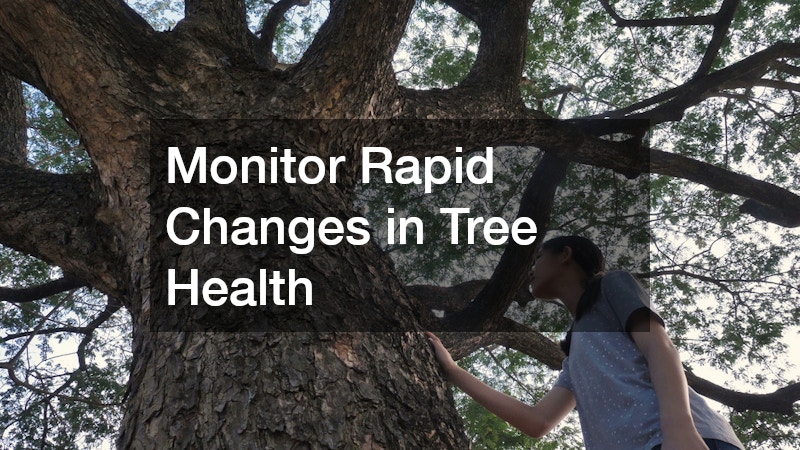
Monitor Rapid Changes in Tree Health
Healthy trees typically show gradual, predictable changes throughout the seasons. When a tree experiences sudden or dramatic shifts in appearance, it often indicates a deeper problem. Rapid decline can be caused by disease, environmental stress, or root damage. Ignoring these changes can lead to irreversible damage.
Watch for signs such as:
- Sudden leaf loss or discoloration
- Lack of new growth during the growing season
- Branches are dying off quickly
- Bark splitting or peeling
These symptoms suggest that the tree is struggling to sustain itself.
Actionable tips:
- Keep track of seasonal changes year over year
- Compare the tree’s condition to others nearby
- Provide proper watering and mulching during dry periods
If the decline continues despite your efforts, it’s important to consult an arborist or local tree services provider. Removal may be necessary to maintain safety.
Recognize Overcrowding and Poor Tree Placement
When too many trees are planted in a small area, they compete for essential resources like sunlight, water, and nutrients. This competition can weaken individual trees and make them more susceptible to disease and structural issues. Overcrowding also limits airflow, which can create conditions that encourage pests and fungal growth. Addressing these problems early can improve your landscape.
Signs of overcrowding include:
- Thin or spindly growth
- Limited canopy development
- Increased pest or disease activity
- Trees growing into or against each other
These conditions often lead to uneven growth and reduced stability over time.
Actionable tips:
- Space trees appropriately when planting
- Remove smaller or poorly positioned trees
- Prune strategically to improve airflow and light exposure
In some cases, removing select trees can significantly improve the health of the remaining ones. For larger properties or heavily wooded areas, logging services may be used to efficiently clear space and restore balance. Local tree removal companies can help you create a more sustainable and visually appealing landscape.
Know When DIY Maintenance Isn’t Enough
While many homeowners are comfortable handling basic yard work, tree care can quickly become dangerous without proper training and equipment. Tasks like trimming high branches or removing large trees require specialized tools and expertise. Attempting these jobs on your own can lead to serious injuries or property damage. Recognizing your limits is important.
Situations that typically require professional help include:
- Trees that are very tall or large
- Trees located near power lines
- Storm-damaged or unstable trees
- Jobs that require climbing or heavy machinery
These scenarios involve risks that go beyond standard yard work.
Actionable tips:
- Evaluate the size and location before starting any work
- Use proper safety gear for minor tasks
- Avoid working alone on complex jobs
Hiring a professional tree remover ensures the work is done safely and efficiently. Local tree removal companies have the equipment and experience needed.
Understand the Safety Risks of Ignoring Warning Signs
Ignoring tree-related issues can lead to serious consequences, both financially and in terms of safety. What may seem like a minor problem today can quickly escalate into a major hazard if left unaddressed. Trees that are unstable or unhealthy are more likely to fail during storms or high winds. Taking a proactive approach can help you avoid these situations.
Potential risks include:
- Falling branches causing injury
- Trees collapsing onto homes or vehicles
- Blocked access to driveways or entry points
- Increased liability if someone is harmed
These dangers highlight the importance of regular inspections and timely action.
Actionable tips:
- Schedule annual tree inspections
- Address small issues before they worsen
- Keep records of maintenance and observations
Working with a reliable tree service can help you stay ahead of potential problems. Taking action early can save you time, money, and stress.
What to Expect When It’s Time to Take Action
Once you’ve identified that a tree needs to be removed, understanding the process can help you feel more confident and prepared. Tree removal is a detailed process that involves careful planning, the right equipment, and experienced professionals. Knowing what to expect can make the experience smoother.
Steps to take include:
- Clearing the area around the tree
- Notifying neighbors if necessary
- Checking for local regulations or permits
During the process, professionals will assess the safest way to remove the tree and ensure that the surrounding areas are protected.
Actionable tips:
- Get multiple estimates before choosing a provider
- Ask about cleanup and debris removal
- Confirm licensing and insurance
Planning ahead and working with experienced professionals ensures that local tree removal is completed safely and efficiently.