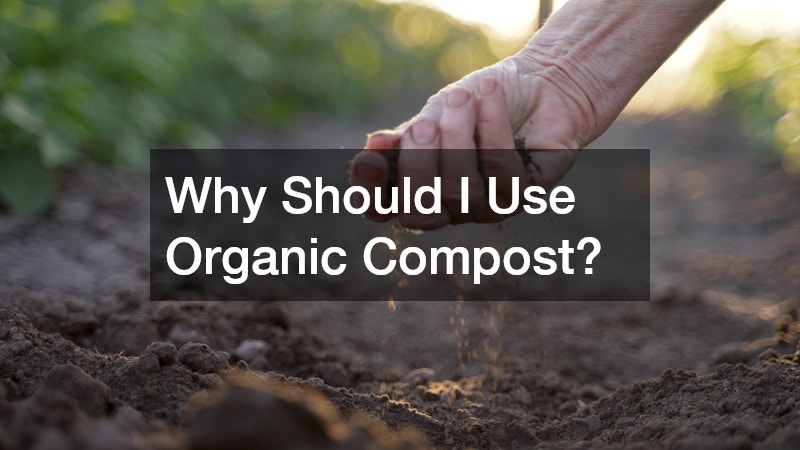
Organic compost offers numerous benefits that make it a valuable addition to gardens and farms alike. Firstly, it enhances soil fertility by supplying essential nutrients needed for plant growth. This nutrient-rich compound improves the soil structure, permitting better root penetration and water retention, which significantly boosts plant productivity.
Additionally, organic compost helps minimize the reliance on chemical fertilizers, which can be harmful to the environment. By choosing compost, one contributes to a healthier ecosystem while promoting sustainable agricultural practices.
Another significant benefit of organic compost is that it helps combat climate change. As organic matter decomposes, it locks carbon into the soil, reducing the overall carbon footprint. This process not only enriches the soil but also plays a part in mitigating greenhouse gas emissions, a critical component in the fight against climate change. Composting is a simple yet powerful way to recycle organic waste, reducing the volume of waste sent to landfills and lowering methane emissions. By integrating compost into soil practices, gardeners and farmers actively participate in global efforts to preserve the planet.
In addition to its environmental benefits, organic compost enhances plant health and resilience. Plants grown in compost-rich soil are more resistant to diseases and pests, thanks to the beneficial microorganisms present in the compost. These microorganisms form symbiotic relationships with plants, aiding in nutrient absorption and overall health. Furthermore, compost helps in maintaining soil pH levels, creating an optimal environment for plant growth. With improved soil health, plants flourish, yielding more abundant and healthier harvests.
How Is Organic Compost Made?
Organic compost is crafted through a natural process of decomposition, where organic materials such as fruit peels, vegetable scraps, and leaves break down into nutrient-rich humus. This transformation is facilitated by microorganisms, fungi, and insects that feed on the organic matter. For successful composting, it’s important to balance carbon-rich materials, like dry leaves, with nitrogen-rich materials, such as grass clippings, to create an ideal environment for the decomposition process. By maintaining the right moisture levels and regularly turning the compost pile, one promotes aerobic conditions essential for efficient breakdown. Over time, these materials transform into a dark, crumbly substance that can be used to enrich garden soil.
The composting process involves several stages, starting with the mesophilic phase, where microorganisms rapidly break down organic matter at moderate temperatures. As the temperature rises, the thermophilic phase begins, accelerating decomposition and killing off many pathogens and weed seeds. This heat-generating phase is crucial for compost sanitation. After the peak heat phase, the compost pile enters into cooling and maturation stages, where decomposition continues but at a slower rate, leading to the formation of stable humus. Each stage is crucial for producing high-quality organic compost that can improve soil fertility.
Throughout the composting process, managing the pile is key to success. Proper aeration, achieved through turning the pile, ensures oxygen is available to support microbial activity. Moisture is another important factor; the compost should be kept as damp as a wrung-out sponge. If the pile is too wet or dry, it can hinder microbial effectiveness, slowing down the decomposition process. Additionally, the physical size of the materials can affect how quickly they break down; smaller pieces compost faster than larger ones. With attentive management, one can produce rich compost that supports sustainable growing practices.
Can I Make My Own Organic Compost at Home?
Yes, making organic compost at home is not only possible but also a rewarding activity for anyone interested in sustainable gardening practices. To start, one can set up a compost bin or pile in a shaded area to aid the breakdown of organic materials while protecting the compost from too much sun or rain. Materials appropriate for composting include fruit and vegetable peels, coffee grounds, eggshells, grass clippings, dried leaves, and even shredded newspaper. It is advisable to avoid composting meat, dairy, and fats due to potential odor and pest issues. As the organic matter breaks down, it transforms into a valuable resource that enriches garden soil.
Maintaining a successful compost pile at home requires regular care and attention. This involves keeping the balance between green (nitrogen-rich) and brown (carbon-rich) materials right to support the optimal conditions for decomposition. Regularly turning the pile introduces air, which is essential for the aerobic decomposition process. This mixing also distributes moisture evenly throughout the pile, further enhancing microbial activity. Monitoring the compost’s temperature and moisture level ensures that the breakdown process continues effectively, producing quality compost over time.
Creating compost at home is not only beneficial for your garden but also promotes environmental responsibility. By recycling kitchen scraps and garden waste, home composting reduces waste sent to landfills, consequently lowering methane emissions. This sustainable practice supports nutrient recycling, turning biodegradable waste into a valuable resource. Moreover, homemade compost provides an organic alternative to chemical fertilizers, reducing the consumption of synthetic fertilizers that can be detrimental to the environment. Embracing homemade composting encourages a connection with nature and reinforces personal contributions to a sustainable ecosystem.
What is the Impact of Organic Compost on Plant Growth?
The use of organic compost has a profound impact on plant growth, contributing significantly to healthier and more productive crops. Compost improves soil structure, allowing roots to penetrate deeply and access nutrients and water more effectively. This enhanced growth environment results in stronger plant structures and increased resistance to stress and diseases. Additionally, the nutrients found in compost release slowly, providing a consistent nutrient supply to plants throughout the growing season. This ensures steady growth and contributes to higher yields compared to non-composted soils.
Furthermore, organic compost enhances soil’s water retention capabilities, an essential factor in regions prone to drought or inconsistent rainfall. By increasing the soil’s ability to retain water, compost helps maintain optimal moisture levels for plant roots, reducing the need for frequent watering. This not only conserves water but also provides a buffer against water scarcity during dry conditions. The presence of organic matter in compost also increases soil aeration, ensuring that plant roots receive adequate oxygen. This dual benefit of improved water retention and better aeration leads to stronger, more resilient plant development.
Another noteworthy aspect of compost’s impact on plant growth is its ability to restore depleted soils. Over time, intensive farming can strip soils of vital nutrients, adversely affecting crop production. Compost helps to restore these nutrients naturally, replenishing the soil’s fertility and boosting plant growth. Additionally, compost introduces a diverse array of beneficial microorganisms into the soil, which helps break down organic matter and facilitate nutrient availability to plants. By revitalizing soil health, compost supports robust plant growth and long-term soil productivity.
How Does Organic Compost Support Sustainability?
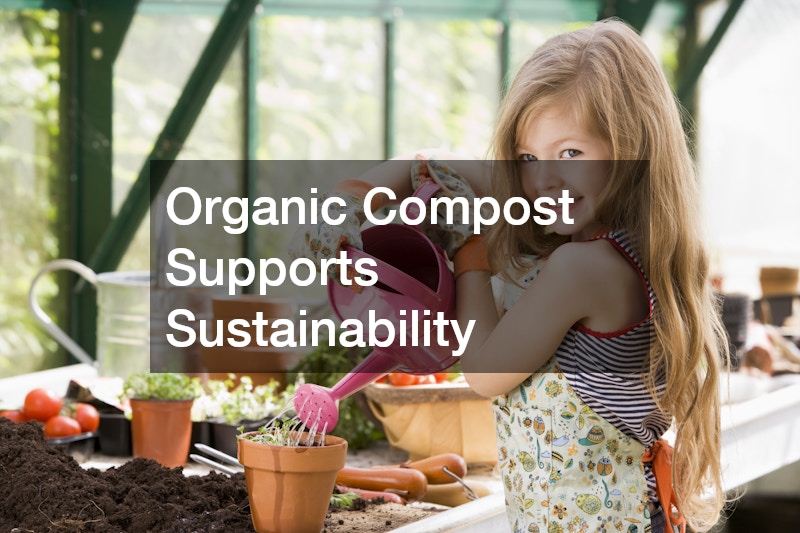
Organic compost plays a critical role in supporting environmental sustainability through various means. By recycling organic waste into valuable soil amendments, composting significantly reduces the amount of waste sent to landfills. This not only cuts down on trash disposal costs but also mitigates methane emissions, a potent greenhouse gas associated with global warming. Furthermore, by reducing the need for chemical fertilizers, organic compost helps decrease the environmental footprint of agricultural practices. Compost-based fertilizers contribute to healthier ecosystems and promote the regeneration of natural resources, thus supporting a sustainable environment.
Moreover, using organic compost contributes to the conservation of water resources. Compost improves soil’s ability to retain moisture, lessening the need for extensive irrigation and reducing water use in gardening and agriculture. This conservation effort is crucial, especially in areas facing water shortages or drought conditions. By maintaining moisture within the soil, compost also stabilizes soil temperature, protecting plants from extreme temperature fluctuations. Such sustainable practices ensure that ecosystems remain resilient in the face of climate change and environmental challenges.
Lastly, organic compost fosters biodiversity, both above and below ground. The process of creating compost encourages a variety of soil organisms and beneficial microbes, which are essential for a healthy soil ecosystem. These organisms help break down organic material, cycle nutrients, and ward off soil pathogens, promoting plant health. On the surface, compost-rich soils support diverse plant species by providing the nutrients they need to thrive. Overall, using organic compost sustains biodiversity, which is vital for ecosystem stability and resilience in the long term.
It encourages adopting composting practices as part of a broader commitment to sustainable living and agricultural methods. By using organic compost, one supports the health of soil, plants, and ecosystems, contributing to a more sustainable future. This practice not only improves garden yields and crop resilience but also plays a key role in environmental conservation. Embracing organic compost aligns with universal efforts to mitigate climate change impact, preserve natural resources, and promote ecological balance.