
Trees are more than decorative elements in a yard — they provide shade, enhance property value, and create a sense of tranquility. From flowering trees that attract pollinators to tall shade trees that cool your home, healthy trees are essential for both aesthetics and the environment. Yet not every tree can thrive indefinitely. Environmental stress, pests, disease, and structural damage can all push a tree beyond recovery, leaving homeowners with tough decisions.
Failing to recognize the warning signs of a declining tree can result in dangerous consequences. Falling branches can damage roofs, vehicles, or fences, while a collapsing tree may injure people or pets. Moreover, a dying tree can negatively affect nearby plants, leading to pest infestations or soil nutrient depletion. This guide provides homeowners with practical strategies to identify when a tree is beyond saving, emphasizing safety, long-term planning, and professional assistance.
By understanding the signs of irreparable damage and knowing when to call in experts, homeowners can protect their property, preserve yard aesthetics, and make informed decisions about tree removal and replacement. Early intervention often reduces costs and prevents emergencies that could threaten safety.
Evaluate Visible Structural Damage
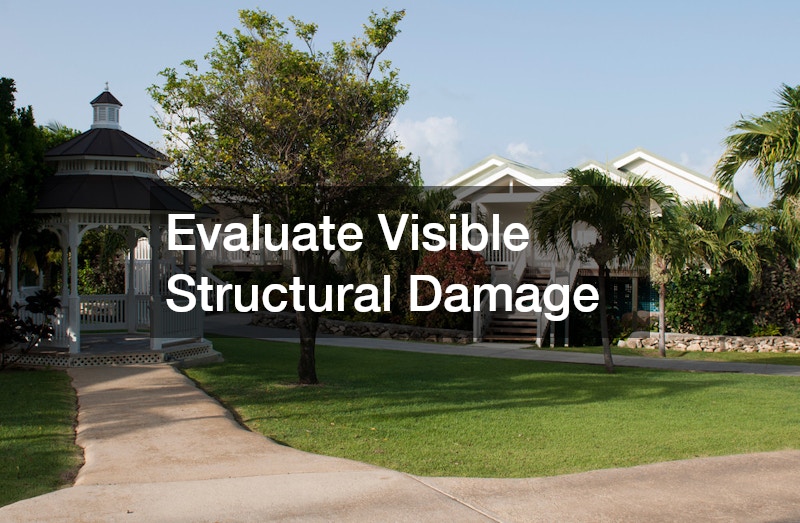
Visible structural damage is one of the clearest indicators that a tree may be beyond saving. Large cracks, splits, or a severe lean in the trunk or main branches suggest that the tree’s framework is compromised. Even if the tree’s canopy looks full, internal structural weakness can make it prone to falling, particularly during storms or high winds.
Homeowners should conduct regular inspections of their trees to look for signs such as long vertical splits in the trunk, large bark fissures, or broken branches. Branches that hang at unusual angles or detach easily also indicate potential instability. Trees with extensive structural damage often require professional evaluation. Tree services can determine whether the damage can be repaired, while tree removal may be the safest solution in high-risk cases. Attempting to save a structurally compromised tree without expert guidance could result in property damage, injury, or even death.
It’s also important to document any damage after severe weather events, as storm damage can accelerate a tree’s decline. Photographing cracks, splits, or leaning branches provides useful information for professionals and helps track the tree’s progression over time.
Assess the Health of the Roots
A tree’s root system anchors it to the ground and provides the nutrients needed for survival. Damage to the roots can destabilize a tree even if the canopy appears healthy. Common causes of root damage include soil compaction, construction activity near the tree, fungal infections, or pest infestations. A compromised root system increases the likelihood of tree failure during storms.
Homeowners should look for exposed roots, mushrooms or fungal growth at the base, and areas of soft or hollow soil around the tree. Soil that is eroded, overly dry, or saturated with water can stress roots and prevent nutrient absorption. Using enriched topsoil and proper watering techniques may help minor root stress, but severe root decay often requires professional intervention. A landscaping contractor can assess whether roots are salvageable and provide solutions to stabilize the tree or recommend safe removal.
Neglecting root issues can have cascading effects. As roots deteriorate, nearby trees or plants may also suffer due to soil instability or nutrient competition. Addressing root health early is a proactive way to preserve the overall landscape and protect the property.
Check for Signs of Disease or Infestation
Trees are vulnerable to a wide range of diseases and pest infestations that can threaten their survival. Trees can be affected by a wide variety of infections, including fungi, bacteria, viruses, and pests, all of which can compromise their health and longevity. Fungal diseases, such as root rot, anthracnose, and powdery mildew, often attack the roots, leaves, or trunk, leading to decay, leaf discoloration, or branch dieback. Bacterial infections, like fire blight, can cause blackened leaves, oozing sap, and rapid die-off of branches.
Viruses may stunt growth, distort leaves, or cause unusual patterns on foliage, reducing the tree’s ability to photosynthesize effectively. In addition, pest infestations — such as bark beetles, aphids, borers, and scale insects — can weaken the tree by feeding on sap, boring into wood, or transmitting disease. Environmental stressors, including drought, excessive moisture, or soil nutrient deficiencies, often make trees more susceptible to these infections, creating a cycle that can quickly push a tree beyond recovery if not addressed promptly.
Symptoms of disease include spotted or discolored leaves, peeling bark, unusual growths, or fungal colonies near the trunk. Insect infestations may present as holes in the bark, sawdust-like debris, or visible insects. For minor infestations, tree trimming may remove affected areas, giving the tree a chance to recover. However, extensive disease or infestation typically requires professional tree removal service to prevent hazards and the spread of pathogens to other trees.
Regular monitoring of trees, including seasonal inspections, can prevent the escalation of disease. Homeowners should consult certified arborists if they notice sudden changes in leaf color, bark texture, or branch health. Prompt action helps protect both the tree in question and the overall landscape from further damage.
Monitor Leaf and Branch Health
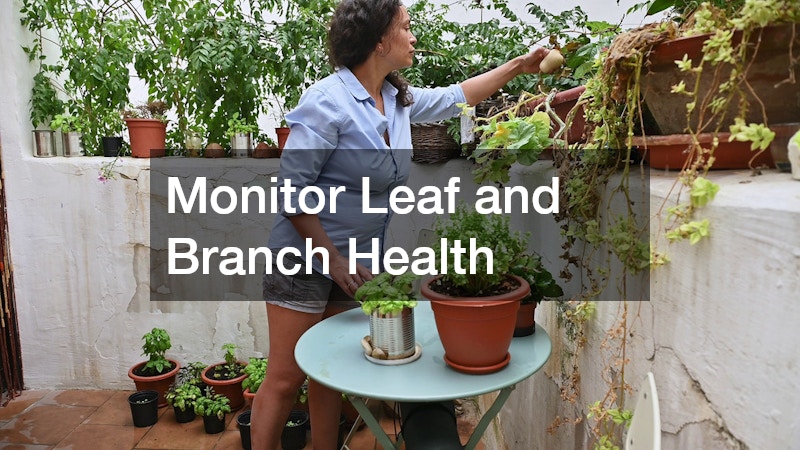
The health of a tree’s leaves and branches is a key indicator of its vitality. Persistent browning, thinning, or premature leaf loss often signals underlying problems. Seasonal leaf loss is natural, but long-term or irregular leaf decline usually points to disease, nutrient deficiencies, or structural stress.
Homeowners should check for dead or brittle branches that could break unexpectedly. Inspecting branch junctions and the canopy for cracks or uneven growth helps identify trees at risk of collapse. When damage is limited, pruning by tree trimming companies can improve tree health. For widespread decline, full tree services may be necessary to safely remove the tree.
Proper leaf and branch monitoring is essential, especially after extreme weather or soil disturbances. By addressing early signs of branch or leaf deterioration, homeowners reduce the risk of hazards and preserve the overall aesthetic and ecological value of their yard.
Understand the Impact of Storm and Environmental Damage
Storms, lightning strikes, and extreme weather can significantly weaken trees. Branches can snap, trunks can split, and internal cracks may form, leaving trees susceptible to sudden failure. Damage is not always visible immediately, making professional inspections critical after severe weather events.
Environmental stressors such as drought, flooding, or soil erosion also play a role in a tree’s decline. Even minor stressors can accumulate over time, leading to chronic vulnerability. A tree removal service can assess storm or environmental damage and recommend whether pruning or full tree removal is the safest course of action.
Documenting storm damage, such as leaning trunks or broken branches, can provide professionals with important context. Early intervention prevents accidents, protects property, and allows for proper planning for tree replacement or landscape adjustments.
Evaluate Proximity to Structures and Safety Risks
Even a relatively healthy tree can be dangerous if located near homes, fences, driveways, or utility lines. Trees that lean toward buildings or have large branches overhanging high-traffic areas pose an immediate risk. Safety must always be the primary concern when evaluating trees near structures.
Homeowners should assess the potential for damage from falling branches or trunk collapse. Considerations include:
- Trees leaning toward buildings or garages
- Branches overhanging playgrounds or frequently used paths
- Proximity to power lines or fences
Hiring local tree removals ensures hazardous trees are removed safely. Working with tree services prevents damage to surrounding landscaping and ensures debris is properly managed. Prioritizing high-risk trees minimizes risk to property and personal safety.
Consider Age and Natural Decline

All trees have a finite lifespan. Older trees may decline gradually, exhibiting slow growth, thinning canopies, or reduced fruit and flower production. While age alone doesn’t necessarily indicate immediate danger, older trees are more susceptible to disease, structural issues, and environmental stress.
Homeowners should evaluate whether an aging tree still contributes value to the yard. Consider how much maintenance it requires and whether it still provides shade, beauty, or habitat. Professional landscaping contractors can help plan the removal of declining trees and recommend replacement options that fit your landscape designs. Thoughtful planning ensures the yard remains visually appealing and safe for years to come.
Inspect for Internal Rot or Cavities
Internal decay often goes unnoticed until it’s too late. Hollow trunks, rot, and cavities weaken the tree, increasing the likelihood of sudden collapse. Symptoms may include mushrooms or fungal growth at the base, soft trunk areas, or hollow sounds when tapping the tree.
Professional tree trimming experts and tree trimming companies can assess internal damage and advise on the best course of action. Trees with extensive internal rot generally require full removal. Early detection of internal decay allows homeowners to act safely, preserving property and reducing hazards for people and pets. Regular inspections by professionals are key to avoiding sudden failures.
Recognize Signs of Chronic Stress
Chronic stress reduces a tree’s resilience to disease, environmental changes, and structural damage. Causes include drought, poor soil conditions, repeated pruning mistakes, or inadequate sunlight. Signs include small or discolored leaves, uneven growth, and consistently weakened branches.
Professional tree services or tree removal service providers can determine whether a tree has the capacity to recover. If it does not, removal is the safest option. Addressing stress factors early protects other trees and maintains overall landscape health. Preventing and managing stress factors also prevent additional problems in your yard, keeping the ecosystem balanced.
Plan for Safe Removal and Replacement
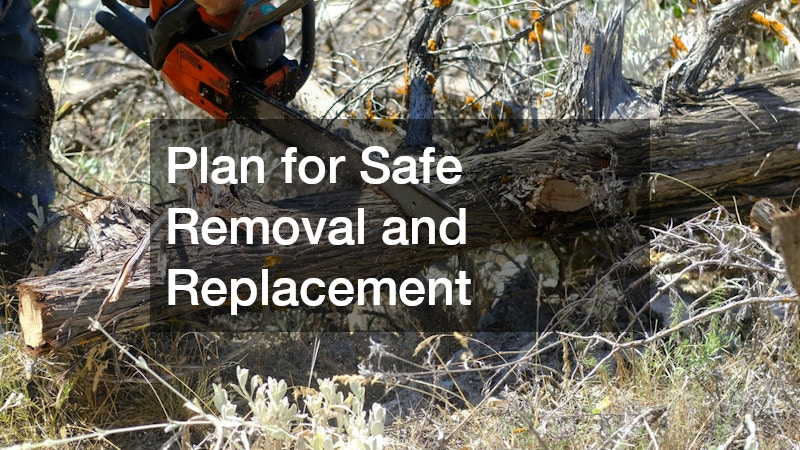
When a tree is beyond saving, planning for its removal and replacement is crucial. Tree removal can be complex, particularly for large or hazardous trees, and requires proper equipment, safety measures, and expertise. Professionals ensure that the process is safe and efficient while minimizing impact on surrounding plants and property.
After removal, consider replanting to maintain yard aesthetics and environmental benefits. Enriching the soil with topsoil can help new plantings thrive. A landscaping contractor can guide homeowners in selecting replacement trees that integrate seamlessly into existing landscape designs. Proper planning ensures that the yard remains safe, balanced, and visually appealing, while also supporting long-term tree health.
Recognizing when a tree is beyond saving is critical for maintaining both safety and the health of your landscape. Trees that appear healthy on the outside may still be at risk due to internal decay, structural weaknesses, or chronic stress. By understanding the warning signs — such as cracked trunks, exposed roots, diseased foliage, and signs of pest infestation — homeowners can make informed decisions before minor issues escalate into major hazards. Regular inspections and monitoring ensure problems are detected early, reducing the risk of damage to your property or injury to family members.
Professional evaluations are invaluable in determining whether a tree can be saved or must be removed. Certified arborists and local tree services possess the expertise, equipment, and safety protocols to assess tree health accurately. They can identify subtle signs of decay or stress that may not be obvious to an untrained eye, helping you avoid costly mistakes. Engaging a tree removal service or consulting tree trimming companies ensures that any action taken is safe, effective, and minimally disruptive to your yard.
Planning for tree removal and replacement is just as important as recognizing when a tree is beyond repair. A thoughtfully planned removal protects surrounding landscaping, maintains yard aesthetics, and prevents soil erosion. After removal, using enriched topsoil and working with a landscaping contractor can help ensure that new plantings thrive. Choosing replacement trees that fit into your landscape designs keeps your yard visually balanced and supports long-term health and environmental benefits.
Beyond aesthetics, timely tree removal also improves safety and property value. A tree that poses a hazard near homes, driveways, or utility lines can lead to accidents, emergency repairs, and insurance complications. Addressing problematic trees proactively allows homeowners to maintain a safe outdoor environment while preserving the beauty and functionality of their landscape. Prevention and proactive management ultimately save time, money, and stress in the long term.
Finally, understanding the life cycle and limitations of trees encourages more sustainable and informed yard management. Not every tree can be saved, but each removal is an opportunity to plan for a stronger, healthier landscape. By learning to recognize the signs of irreversible damage, consulting experts, and preparing for replacement thoughtfully, homeowners can ensure their yards remain safe, beautiful, and vibrant for generations. Prioritizing tree health and safety fosters a thriving environment for both people and plants, allowing your landscape to flourish while minimizing risks.