Adding greenery to your home or workspace can instantly make the space feel more inviting, vibrant, and comfortable. Whether you have a sunny windowsill, a bright living room, or a small office with limited natural light, there are plants available for many different environments. Visiting plant stores can make it easier to explore your options and find greenery that matches your space and experience level. Some plants require frequent attention, while others are more forgiving and easier to maintain.
Choosing the right plant starts with understanding its light, watering, and general care needs. For beginners and experienced plant owners alike, certain varieties continue to stand out for their appearance, adaptability, and manageable care requirements.
1. The Snake Plant
Snake plants are a popular choice for people who want an attractive plant without an overly complicated care routine. Their tall, upright leaves create a bold appearance that works well in modern, traditional, and minimalist spaces. The leaves are often green with lighter patterns or yellow edges, depending on the variety. Because of their vertical growth habit, snake plants can add greenery to smaller spaces without taking up a large amount of floor space.
One of the reasons these plants are so appealing is their ability to adapt to different indoor environments. They generally prefer bright, indirect light but can tolerate lower-light conditions as well. This flexibility makes them a useful option for rooms that do not receive consistent sunlight throughout the day. However, like most plants, they may grow more slowly when light levels are lower.
Watering is another important part of caring for a snake plant. These plants do not need constant watering and generally prefer the soil to dry between waterings. Too much moisture can create problems for the roots, so it is important to avoid watering on a strict schedule without checking the soil first. A pot with proper drainage can also help prevent excess water from remaining around the roots.
Snake plants can work well in bedrooms, offices, entryways, and living areas. Their structured appearance allows them to stand out on their own, but they can also be paired with other plants to create a more layered display. With basic care and the right growing conditions, a snake plant can remain an attractive part of an indoor space for years.
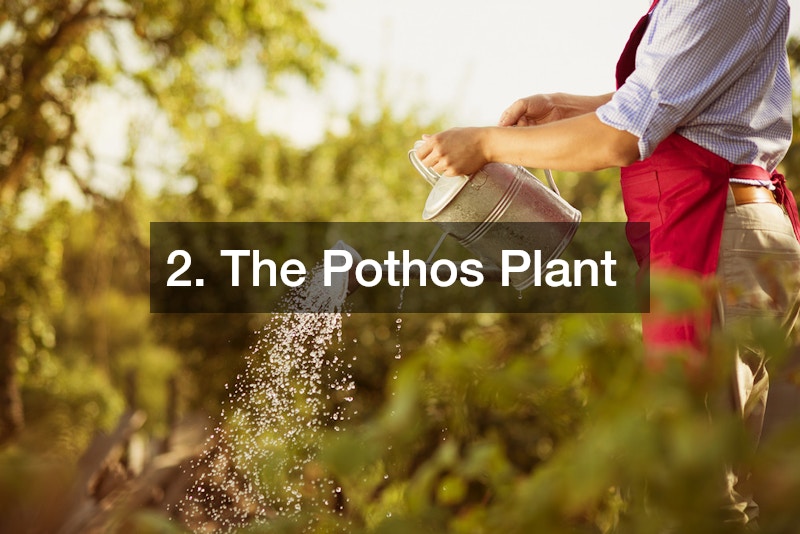
2. The Pothos Plant
Pothos is another favorite for plant owners who want a versatile and visually appealing option. Its trailing vines can create a relaxed, natural look as they grow from hanging baskets, shelves, or containers. The heart-shaped leaves are available in several varieties, offering different combinations of green, cream, and yellow patterns. This variety makes it easier to find a pothos that complements your existing décor.
A major benefit of pothos is its adaptability. It can grow in a range of indoor lighting conditions, although brighter indirect light can help support stronger growth and more noticeable leaf patterns. The plant can also be moved to different locations if you are experimenting with where it grows best. Avoiding prolonged exposure to intense direct sunlight can help prevent unnecessary stress on the leaves.
Pothos generally prefers soil that is allowed to dry somewhat between waterings. Checking the moisture level before watering can help prevent the roots from sitting in overly wet soil. As the vines grow longer, they can be trimmed to maintain the desired shape and size. Pruning can also encourage a fuller appearance over time.
This plant offers plenty of decorating possibilities. It can trail downward from a high shelf, grow from a hanging planter, or be placed in a container where its vines can spill over the sides. Its flexible growth pattern makes pothos an easy choice for adding greenery to areas that need a softer, more natural touch. With routine attention and appropriate conditions, it can become a noticeable feature in almost any room.
3. The ZZ Plant
The ZZ plant is known for its glossy leaves and distinctive upright growth. Its thick stems and smooth foliage give it a clean, polished appearance that works well in homes and professional settings. The plant can make a statement without requiring an elaborate display. Its naturally organized growth pattern also makes it a popular choice for spaces where a tidy appearance is preferred.
ZZ plants are often selected because they can tolerate lower-light indoor environments. While they can benefit from indirect light, they do not require constant exposure to bright sunlight. This makes them useful for offices, hallways, and other areas where natural light may be limited. As with any indoor plant, the exact environment can affect its growth and overall appearance.
Watering should be handled carefully because ZZ plants store moisture in their underground structures. Allowing the soil to dry between waterings is generally important for maintaining healthy growing conditions. Overwatering can create more problems than occasionally waiting too long to water. Checking the soil before adding moisture can help you develop a routine that works for the plant and your environment.