Essential Guide to Maintaining Your Home’s Exterior Curb Appeal
The exterior of your home is far more than just a facade; it is a complex system that protects your investment, ensures the safety of your family, and serves as your primary contribution to the neighborhood’s aesthetic. Curb appeal is a multifaceted concept that combines biological health—such as the vitality of your lawn and trees—with structural integrity, including the condition of your roof, gutters, and masonry. When these elements work in harmony, they create a welcoming environment that significantly boosts property value. In this guide, we will explore ten critical areas of exterior maintenance, providing professional insights and actionable tips to help you keep your home in peak condition throughout the year.
1. The Foundation of a Great First Impression: Landscape and Lawn Care
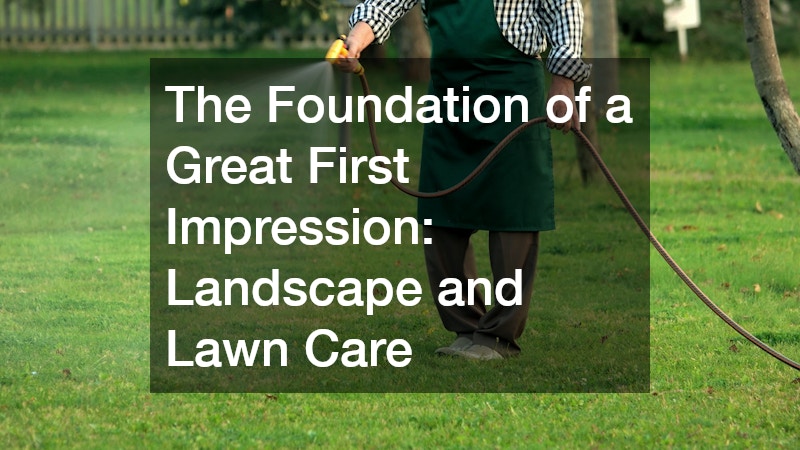
A lush, green lawn is the canvas upon which the rest of your home’s curb appeal is painted. To achieve professional results, you must look beyond simple weekly mowing. Proper lawn care starts with understanding your soil’s pH and nutrient levels. By performing a soil test, you can apply the exact fertilizer your grass needs rather than guessing. When landscaping, consider the “layering” effect. Use a mix of perennials, shrubs, and ornamental trees to create depth and visual interest. Mulching not only provides a clean, finished look but also helps retain moisture in the soil and suppresses weeds. It’s also important to address any bare spots in your lawn quickly to prevent soil erosion and maintain that uniform green carpet look. Don’t forget that a healthy lawn is also your first line of defense against soil compaction and drainage issues. By keeping your turf thick and healthy, you reduce the amount of runoff that reaches your foundation during heavy storms.
2. Strategic Pruning for Canopy Health and Safety
Trees are often the most valuable biological assets on a property, but they require specialized care to remain safe. Overgrown canopies can trap moisture against your siding or provide a bridge for pests to reach your roof. Proactive maintenance involves thinning out dense areas to allow wind to pass through the branches, which reduces the risk of limb failure during high-wind events. Engaging professional tree trimming services at least once every two to three years ensures that your trees grow with a strong central leader and balanced weight distribution. Skilled tree trimmers are trained to identify “included bark” and other structural defects that the average homeowner might miss. By removing dead or diseased wood early, you prevent the spread of decay to the rest of the tree. Furthermore, proper pruning increases the amount of sunlight that reaches your lawn and flower beds below, promoting a healthier ecosystem across your entire yard. This targeted care also improves the view of your home from the street, ensuring that your beautiful architecture isn’t hidden behind a wall of unmanaged foliage.
3. Long-Term Health and Affordable Canopy Maintenance
For many homeowners, the cost of property maintenance is a major consideration. Choosing an affordable tree service that doesn’t compromise on quality is key to staying on top of your exterior chores. Regular maintenance is far cheaper than dealing with the aftermath of a fallen limb. When searching for help, it is often beneficial to look for local tree removal companies.
These local experts understand the specific tree species and weather patterns of your region, allowing them to provide more tailored care. Sometimes, despite our best efforts, a tree may become a hazard or outgrow its space. In these instances, you might need to consult a tree removal company. Whether a tree has been damaged by a storm or is suffering from an incurable disease, professional tree removal services are necessary to handle the job safely and efficiently. Removing a dead tree clears space for new growth and prevents pests from nesting in decaying wood.
4. Protecting the Roof and Shielding the Structure
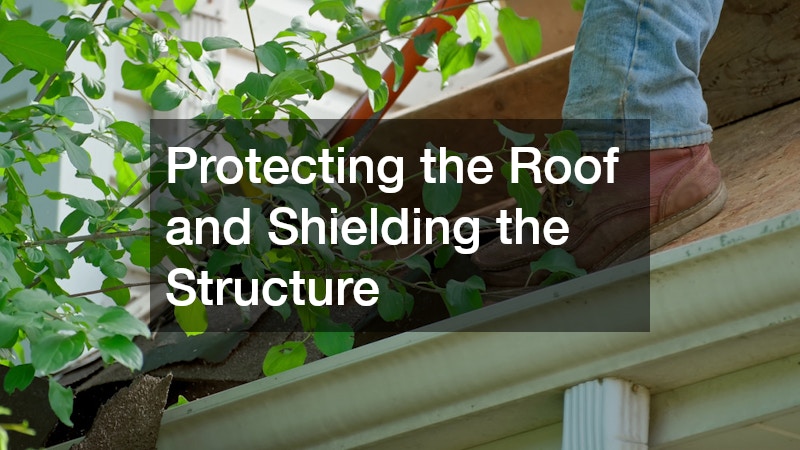
Your roof is your home’s first line of defense against the elements. A damaged roof can lead to leaks, mold, and structural rot that can cost tens of thousands of dollars to fix. Regular inspections are vital. Look for missing shingles, granules in the gutters, or signs of sagging. Many homeowners rely on professional roofing services to provide a detailed assessment of your roof’s condition, helping you decide between a simple repair or a full replacement. In addition to the shingles, pay attention to the flashing around chimneys and vents. These are common entry points for water. Keeping your roof clean of moss and debris is another simple way to extend its lifespan. Moss traps moisture against the shingles, which can cause them to deteriorate prematurely. A clean, sturdy roof significantly contributes to a “like-new” appearance for the entire house and ensures the structural integrity of your home remains intact for years to come. Modern roofing materials are designed to reflect heat rather than absorb it, which can lower your cooling costs during the hot summer months.
5. Managing Water Flow with Advanced Gutter Solutions
While the roof catches the rain, the gutters are responsible for directing it safely away from your home. Clogged or leaking gutters can cause water to pool at your foundation, leading to basement flooding and soil erosion. Traditional gutters with many seams are prone to leaking over time. Many modern homeowners are turning to a seamless gutters service to minimize these risks. Seamless gutters are custom-fitted to your home, reducing the number of joints where leaks typically occur. Maintenance involves more than just cleaning out leaves. You should also check that the downspouts are extending at least three to five feet away from the foundation. If your gutters are pulling away from the house, they may need new brackets or reinforcing. Properly functioning gutters protect your siding from water stains and prevent the “moat” effect around your home during heavy downpours, which is vital for foundation health.
6. Safeguarding Your Home from Unwanted Pests
Curb appeal can be instantly ruined by the sight of pests. Whether it’s ants crawling up the siding, wasps nesting in the eaves, or termites damaging the structure, pests are a serious threat to your home’s integrity and your peace of mind. Consistent pest control measures are necessary to keep your property comfortable and safe. Many pests are attracted to moisture and decaying organic matter, so keeping your yard clean and your gutters clear is actually your first step in pest management. A professional pest technician can identify potential entry points and apply treatments that are safe for your family and pets. They can also provide advice on “pest-proofing” your landscape, such as keeping firewood piles away from the house and ensuring that mulch isn’t touching your wooden siding. Eco-friendly methods focus on Integrated Pest Management, which uses biological knowledge rather than just harsh chemicals to keep bugs away. This proactive approach to exterior hygiene makes your outdoor living spaces much more enjoyable for your family and guests.
7. Enhancing Hardscape with Expert Masonry

The “hard” elements of your landscape—patios, walkways, and retaining walls—provide structure and functionality. Over time, pavers can shift, and mortar can crack. Maintaining these features is essential for safety and visual appeal.
Masonry businesses specialize in repairing and installing these stone and brick elements. Whether you need a chimney repointed or a new stone walkway installed, professional masonry work adds a touch of timeless elegance to any home. To keep your hardscapes looking their best, consider power washing them once a year to remove built-up grime, algae, and moss. Re-sanding the joints of paver patios can prevent weeds from growing in the gaps and keep the stones from shifting. A well-designed hardscape creates “outdoor rooms” that expand your living space and make your backyard an inviting destination. When working with masonry experts, you can also inquire about permeable materials that allow rainwater to soak into the ground rather than running off into the storm drains.
8. Deep Dive into Tree Removal Safety and Ethics
Trees are vital to our environment, but there are times when removal is the only responsible option. A tree that is leaning precariously toward a structure, or one that has lost more than half of its canopy to disease, represents a significant liability. In these delicate situations, you must rely on a professional tree removal company to handle the logistics. The process involves much more than just cutting down a trunk; it requires specialized rigging, heavy machinery, and a deep understanding of physics to ensure the tree falls exactly where it’s supposed to without damaging surrounding property. Furthermore, professional tree removal services include the critical step of stump grinding. Leaving a stump behind isn’t just an eyesore; it can attract wood-boring pests and create a fungal breeding ground that could spread to your healthy trees. When you work with local experts, you are also getting advice on what to plant in the tree’s place to maintain the ecological balance of your yard. Responsible tree care is about knowing when to save a tree and having the wisdom to remove it when it becomes a threat to the safety of your home and family.
9. The Role of Inspections and Seasonal Maintenance
While many homeowners feel confident performing a visual check of their property, there is no substitute for a professional eye. Skilled contractors in roofing services or pest control are trained to see the “invisible” warning signs that lead to catastrophe. For instance, a professional roofer can identify soft spots in the decking that might indicate internal rot, even if the shingles look perfect from the ground. Similarly, an arborist from a tree removal company can use specialized tools to check for internal trunk decay that isn’t visible on the bark. By scheduling annual or bi-annual professional inspections, you move from a “reactive” state of homeownership to a “proactive” one. This shift not only saves you money on emergency repairs but also gives you peace of mind during severe weather seasons. Following a seasonal checklist ensures your gutters are secure, your masonry is solid, and your trees are healthy year-round. These small gestures signal that the home is meticulously cared for.
10. Implementing a Proactive Maintenance Calendar
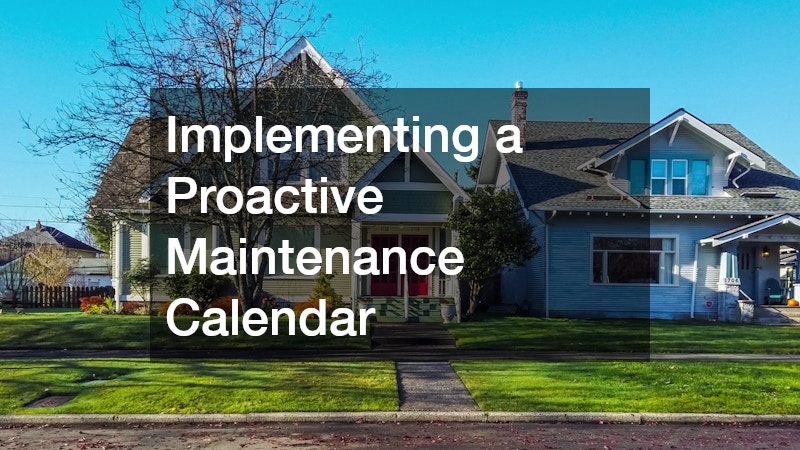
The secret to lasting curb appeal is consistency. Rather than waiting for things to break or overgrow, create a seasonal calendar to manage your tasks. By breaking these tasks down into manageable seasonal goals, you prevent the “maintenance overwhelm” that often leads to neglect.
- Spring:
Perform a deep cleanup, refresh mulch, and check your gutters after the winter snow has melted. - Summer:
Focus on hydration. Water your trees and lawn deeply but infrequently to encourage deep root systems. - Fall:
Rake leaves to prevent them from smothering the grass, and perform “dormant pruning” on your trees to prepare them for winter winds. - Winter:
Use pet-safe ice melt on your walkways to prevent masonry damage, and keep an eye on your roof for ice dams.
The transition between seasons is the most vulnerable time for your home’s exterior. During the late autumn months, it is vital to ensure that your irrigation systems are properly blown out and winterized. Standing water in pipes can freeze and expand, leading to burst lines that may not be discovered until the following spring, often causing significant soil erosion or basement dampness. Taking an extra hour to disconnect garden hoses and cover exterior faucets with insulated caps is a low-cost preventative measure that can save you a massive headache and hundreds of dollars in plumbing repairs once the ground thaws. Furthermore, consider the impact of “micro-climates” on your property. Different sides of your home receive varying amounts of sunlight and wind exposure. By walking your entire property perimeter once a month, you can identify these localized issues before they evolve into systemic problems.
Conclusion
Maintaining your home’s exterior is a continuous journey of care and preservation. By staying proactive with your landscaping, tree care, roofing, and pest management, you ensure that your home remains a beautiful and safe sanctuary. While some tasks can be managed on your own, never hesitate to bring in experts for the heavy lifting. The time and resources you invest in your home’s curb appeal today will ensure it remains a safe, sturdy, and stunning sanctuary for many years to come. The investment you make in your property’s curb appeal today will pay dividends in the form of higher property value, better structural integrity, and the simple joy of pulling into your driveway and loving what you see.