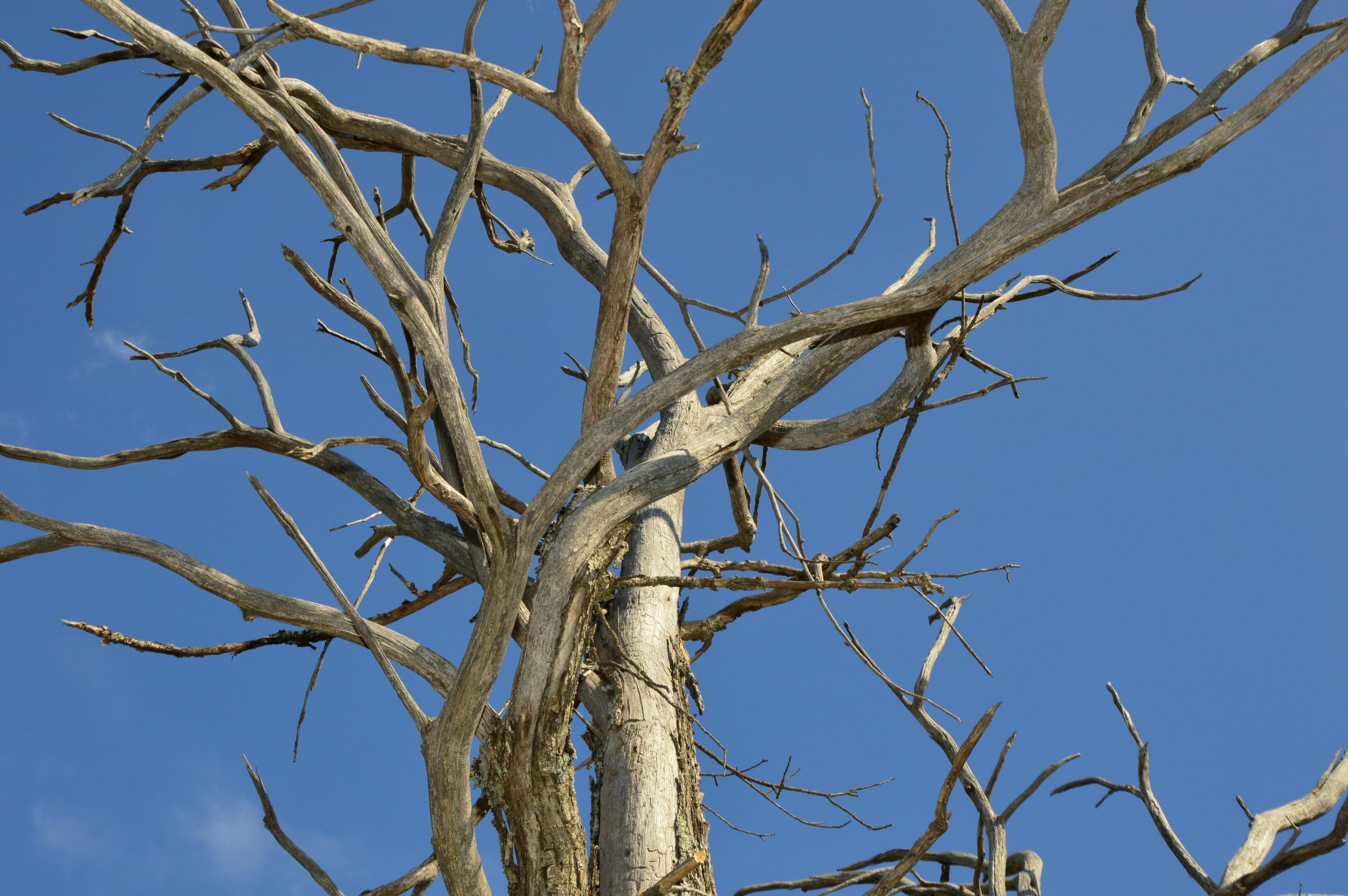
Removing a large shade tree from your yard is one of the most dramatic transformations a residential landscape can undergo. Overnight, a space that once rested in cool, filtered shade is thrust into full, intense sunlight. While losing a mature tree might initially feel like a disruption, it fundamentally resets your outdoor ecosystem, completely altering soil moisture rates, ground temperatures, and light availability.
This environmental shift opens up an incredible world of possibilities for your property. Areas that previously struggled to grow sparse turf grass or shade-tolerant hostas can now support vibrant perennial flower beds, productive gardens, and sprawling, sun-loving lawns. However, taking full advantage of this newly revealed space requires careful planning, site preparation, and strategic choices. From assessing updated sunlight hours and restoring depleted soil to introducing hardscape elements and sun-adapted plants, understanding this microclimate evolution is essential. By learning how to work with your yard’s new light footprint, you can seamlessly transition your landscape into a lush, dynamic outdoor living space that thrives for years to come.
Sunlight Dynamics and Yard Microclimate Shifts

When a large canopy tree is removed from a residential property, the physical structure of the outdoor space changes overnight. A mature oak, maple, or pine can filter thousands of square feet of direct sunlight, casting deep shade that regulates ground temperatures and slows moisture evaporation. Removing that overarching branch structure fundamentally shifts your yard’s microclimate, taking it from a cool, shaded environment to an exposed, sun-drenched landscape.
The change in total solar radiation alters how heat and water move through the soil profile. Beneath a dense leaf canopy, soil remains relatively cool and retains moisture over extended periods, making it hospitable to shade-tolerant woodland species. Once that cover disappears, intense sunlight hits the ground directly. Solar radiation elevates ground temperatures by several degrees, accelerates surface evaporation, and breaks down organic topsoil layers at an increased rate.
Understanding this environmental transition requires evaluating exposure in terms of direct light hours. Areas that previously received two hours of soft, filtered sunlight may now experience eight hours of intense midday sun. This shift changes the operational demands on your irrigation habits, soil care routines, and overall landscape management strategy.
Safe Canopy Extractions and Initial Site Evaluation
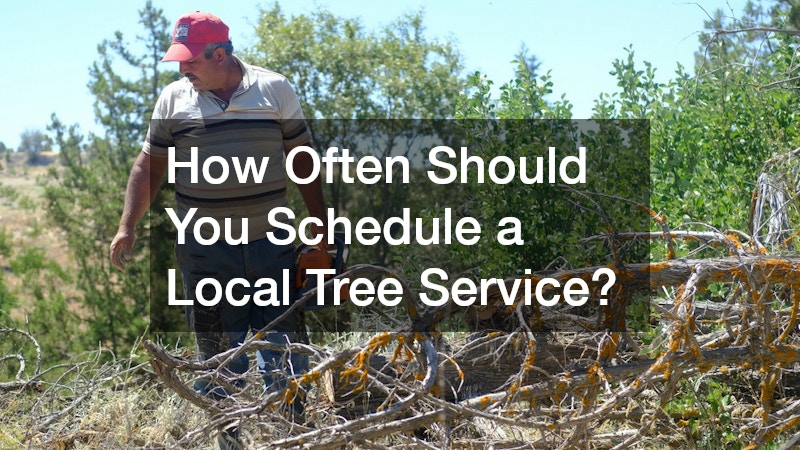
Taking down a massive tree requires careful planning and specialized equipment. A large tree that is diseased, structurally unsound, or dangerously close to house foundations poses an immediate liability. Engaging a certified local tree service ensures that the extraction is executed safely without damaging surrounding turf, utility lines, or adjacent home structures. Heavy limbs must be lowered using controlled rigging techniques to preserve the structural integrity of the surrounding landscape.
Beyond the immediate felling of the tree, complete tree removal involves managing the subterranean root system and the resulting stump. Leaving a large stump in place creates a long-term obstacle for garden beds and hardscape installations, while attracting wood-boring insects and decay fungi. Deep stump grinding breaks up the central root flare and provides a clean slate for future grading, soil conditioning, and replanting projects.
-
Morning Sunlight (East Exposure): Cool, gentle light that dries morning dew without causing heat stress on sensitive foliage.
-
Midday Sunlight (South Exposure): The most intense solar radiation of the day, elevating ambient soil temperatures and accelerating moisture loss.
-
Afternoon Sunlight (West Exposure): High-temperature exposure that tests the drought tolerance of newly planted perennials and shrubs.
Recording these light hours allows you to establish accurate solar zones across the property, preventing costly mistakes when purchasing new plant varieties later on.
Professional Care for Remaining Trees and Canopy Management
When a dominant tree is removed, neighboring trees in the immediate vicinity undergo a sudden change in environmental conditions. Leaves and branches that were previously sheltered from high winds and direct sunlight are suddenly exposed to full weather elements. This abrupt exposure can lead to sunscald on delicate bark, premature moisture loss, or structural imbalance as the remaining trees adjust to new wind loads.
Working alongside certified arborists allows property owners to evaluate the health and stability of the remaining trees. Professionals assess the structural integrity of the surrounding forest canopy, identifying structural defects or deadwood that could become hazards once exposed to higher wind speeds.
-
Crown Thinning: Removing selective secondary branches to improve light penetration and air movement through the upper canopy.
-
Deadwood Removal: Eliminating weak or dying limbs that pose safety risks under new wind patterns.
-
Structural Reduction: Shortening heavy lateral branches to relieve end-weight stress and improve overall trunk stability.
Strategic tree trimming is often necessary to rebalance the crowns of neighboring trees and thin out overgrown branch networks. Selective thinning allows light to pass evenly through the canopy, reducing wind resistance and preventing structural failures during heavy storms. Protecting the root zones of these remaining specimens during site excavation keeps vital root networks intact, ensuring the remaining canopy stays healthy and vibrant for years to come.
Soil Preparation and Organic Nutrient Restoration

The transition from shade to direct sun changes soil chemistry and moisture absorption rates. Shade-dwelling plants like hostas, coral bells, astilbes, and ferns feature thin, broad leaves designed to catch limited light. When exposed to unfiltered sunlight, these species quickly scorch, wilt, and decline. Transitioning the area requires removing shade-bound species or transplanting them to shaded microclimates elsewhere on the property.
Before adding new plant material, inspect and prepare the soil. Tree roots consume vast amounts of nitrogen, phosphorus, and organic matter over time, leaving behind depleted ground. Tilling in rich organic compost, leaf mold, and balanced fertilizers restores vital nutrients and improves soil water-retention capacity under hot afternoon sunlight.
-
Deep Organic Tilling: Incorporating well-rotted compost six to eight inches into the soil profile to rebuild microbial life.
-
Soil pH Adjustment: Testing and balancing soil acidity levels after pine or hardwood canopy extraction.
-
Moisture Retentive Additives: Mixing in organic matter to prevent rapid soil drying under direct solar exposure.
Restoring depleted soil creates a fertile foundation that encourages deep root development for all newly established plantings.
Sourcing Adapted Flora for Sun-Exposed Beds
Partnering with a local nursery gives you access to climate-adapted plant species suited to your regional growing zone and soil profile. Horticultural specialists can help you select full-sun specimens that handle heat while offering long bloom cycles and seasonal color contrast.
Experienced landscape contractors can assist with layout strategies, ensuring proper plant spacing, soil preparation, and drip irrigation installation. Establishing grouped planting beds based on water needs creates a sustainable, low-maintenance garden that thrives in full sun.
-
Flowering Perennials: Species like Purple Coneflower, Black-Eyed Susan, and Salvia that thrive in six or more hours of direct sun.
-
Drought-Tolerant Shrubs: Options such as Panicle Hydrangea and Butterfly Bush that provide vertical structure and long-lasting summer blooms.
-
Ornamental Grasses: Full-sun varieties like Switchgrass and Fountain Grass that add motion and texture to open garden beds.
Selecting plants tailored specifically for high solar exposure reduces plant loss and reduces long-term watering needs.
Designing Functional Pathways and Hardscape Elements
Removing a large tree frees up open square footage that was previously unusable due to low light, bare dirt, or invasive surface roots. This newly opened space provides an ideal opportunity to introduce functional hardscaping elements, such as dining patios, seating areas, or meandering pathways that connect distinct areas of the yard.
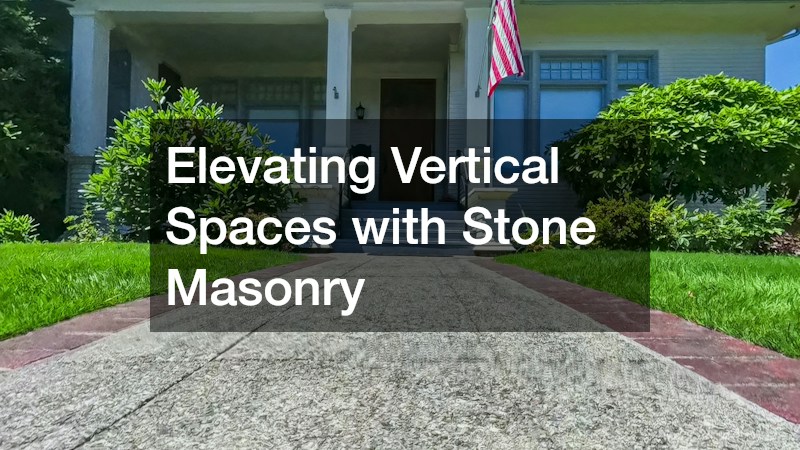
Installing a stone walkway creates a practical link between different outdoor zones while adding visual structure to an expansive lawn or garden bed. Natural stone materials provide durable, slip-resistant surfaces that withstand heavy foot traffic and changing seasonal weather conditions.
-
Site Excavation: Clearing topsoil down to a stable sub-grade depth to accommodate base materials.
-
Base Compaction: Laying dense crushed stone base layers, compacted in thin lifts to form a solid, non-yielding foundation.
-
Bedding Layer: Spreading a smooth, level layer of coarse bedding sand to set the stone units accurately.
-
Joint Stabilization: Sweeping high-performance polymeric sand into stone joints to lock pieces together and prevent weed intrusion.
Engaging residential hardscaping services ensures that base preparation, slope grading, and edge restraints meet industry standards. Professional installation prevents frost-heave damage and keeps stone features level, stable, and visually appealing over the long term.
Elevating Vertical Spaces with Stone Masonry
In addition to ground-level pathways, raised masonry features can add vertical dimension and structural depth to a newly sunlit yard. Retaining walls, seat walls, raised planter boxes, and stone fire features establish clean architectural lines that balance soft garden plantings. These structures also solve elevation challenges created when tree roots are removed from sloped ground.
Consulting local hardscapers helps you choose masonry materials—such as dry-stacked fieldstone, cut limestone, or modular concrete wall units—that complement your home’s existing exterior architecture. Raised stone beds raise plant roots above dense clay soils, improving drainage and keeping root zones cool under intense solar heat.
-
Retaining Walls: Holding soil back on sloped slopes while creating flat, usable garden terraces.
-
Built-In Seat Walls: Providing integrated seating around patios and outdoor fire gathering areas.
-
Raised Planter Boxes: Elevating delicate root systems above compacted ground to maximize airflow and drainage.
Masonry elements bring structural clarity to open spaces, converting formerly barren ground beneath old trees into functional outdoor rooms.
Illuminating Pathways and Architectural Features
Once physical structures are in place, adding low-voltage outdoor lighting extends the usability of your landscape into the evening hours. A professional landscape lighting company designs customized lighting layouts that highlight architectural features, stone pathways, and plant foliage.
Positioning fixtures in newly open spaces creates high visual impact without the interference of dense overhead foliage. Low-voltage LED systems offer energy-efficient, durable illumination that enhances both safety and nighttime aesthetics across the property.
-
Path Lighting: Downward-directed fixtures along walkways that ensure safe foot travel without glare.
-
Accent Uplighting: Angled spotlights focused on focal plants, stone columns, or remaining mature trees to create depth.
-
Wall Wash Lighting: Low-profile fixtures mounted beneath wall caps to highlight the natural texture of stone masonry.
Combining custom stone masonry with professional LED lighting turns an open, sunny space into an inviting outdoor living area for daytime and nighttime enjoyment alike.
Adapting Lawn Care and Irrigation Strategies
Transforming a shaded yard into a thriving, sun-lit environment requires ongoing maintenance to establish plant roots and protect soil health. Full sun exposure accelerates plant growth rates, but it also increases water demand and encourages aggressive weed seed germination in bare soil.
Applying a 3-inch layer of organic bark or hardwood mulch across garden beds is essential for long-term soil management. Mulch suppresses weed seeds, insulates plant roots against peak summer temperatures, and drastically reduces moisture evaporation.
-
Deep, Infrequent Watering: Water early in the morning to minimize evaporation loss, soaking soil six inches deep to encourage deep root growth.
-
Sun-Tolerant Turf Seeding: Overseed bare areas with drought-resistant grass varieties like Turf-Type Tall Fescue, Bermuda, or Zoysia grass.
-
Nutrient Management: Apply organic slow-release fertilizers in spring and early autumn to supply essential nitrogen without causing nutrient burn.
-
Seasonal Pruning: Prune spent perennial blooms throughout the summer season to promote continuous flowering and tidy plant form.
By adjusting your maintenance habits to suit full-sun conditions, your newly opened landscape will mature into a lush, resilient space that enhances your home’s outdoor functionality and curb appeal.
Long-Term Value and Landscape Maturity
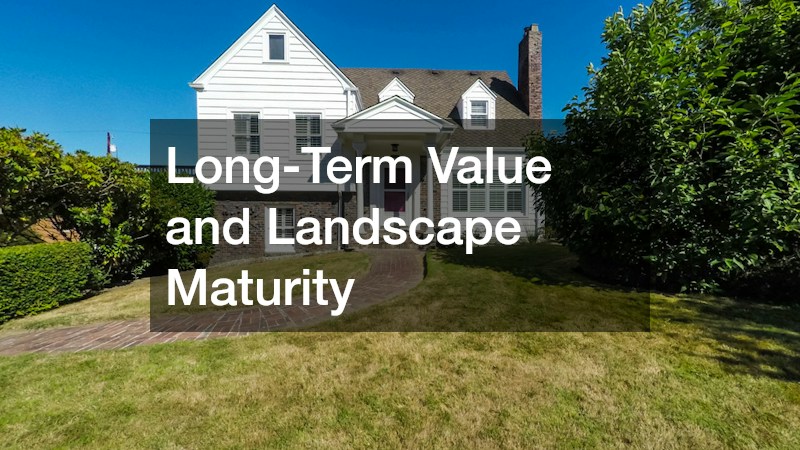
Removing a large canopy tree marks a major shift in how a residential landscape functions. By recognizing changes in sunlight patterns, soil conditions, and moisture dynamics, property owners can transform a shaded, restricted yard into a sun-filled outdoor space. Beyond simply opening up physical room, this environmental transition fundamentally resets your soil microclimate, encouraging deeper root development, faster plant growth rates, and an expanded variety of garden design possibilities.
From safe canopy extractions and soil reconditioning to selecting heat-tolerant plants, installing natural stone pathways, and setting up architectural lighting, every step plays a vital role in creating a balanced property. Addressing nutrient depletion from old root systems and choosing sun-loving flora creates a resilient foundation that handles intense summer heat effortlessly.
With thoughtful planning, proper hardscaping, and adaptive plant care, your updated yard will flourish as a vibrant, functional space for years to come. Investing time into understanding your yard’s new light footprint yields immediate dividends in plant performance, visual appeal, and overall outdoor enjoyment, elevating your property’s value while providing a tailored backdrop for everyday living.